Removals in France: Local Moving Services for Homes and Businesses
Planning a move can feel exciting, but it can also be one of the most demanding jobs you take on all year. Whether you are relocating a family home, moving a flat, downsizing to a smaller property, or transferring an office, removals in France need careful preparation, local knowledge, and a team that understands how to work efficiently in real conditions. From narrow village streets to apartment buildings with no lift, from coastal roads to busy city centre access restrictions, every move brings its own challenges.
If you are looking for a reliable, practical, and well-organised service, this page explains how professional removal services in France can support your move from start to finish. It covers what is included, how the process works, what affects cost, and why a local team can make a real difference. Whether you are moving within the same town, between regions, or into France from elsewhere, the right support can save time, reduce stress, and protect your belongings.
For many customers, the biggest concern is not just lifting boxes; it is managing the whole process smoothly. A good local removals team can help with packing, loading, transport, furniture protection, and careful delivery at the destination. That combination of planning and on-the-ground experience matters when dealing with French properties, road access, parking limitations, and building rules.
Why removals in France require local knowledge

France is a large and varied country, and moving in one region can feel very different from moving in another. A move in central Paris may involve timed loading windows, narrow streets, and stair-only access in older buildings. A relocation in Lyon, Marseille, or Toulouse may require planning around dense traffic, shared courtyards, or difficult unloading points. In rural areas, the challenge may be long driving distances, access roads that are not suitable for larger vehicles, or a property that sits far from the nearest main road.
Local knowledge matters because it helps a removal team plan the job properly before the moving day even begins. This includes understanding where parking is possible, what type of vehicle will suit the access, whether items need to be carried through communal areas, and how long loading might take. In France, property layouts vary widely, from modern apartments and suburban family homes to stone cottages, farmhouses, commercial premises, and holiday properties.
When you choose a team experienced in removals in France, you are choosing people who can adapt to these different environments. That flexibility is important for residential customers, landlords, estate agents, businesses, and anyone moving sensitive or bulky items. It is also useful if you are managing a cross-border relocation, because customs paperwork, access planning, and timings may all need extra attention.
Types of removals services available

Removal services in France are not limited to one kind of move. Most customers need support tailored to their property, schedule, and budget. A good local company can usually help with a range of moving requirements, including domestic moves, office relocations, furniture transport, partial loads, and assisted packing.
For home moves, this may include apartments, villas, terraced houses, maisonettes, holiday homes, or retirement properties. For business customers, the service may involve desks, filing systems, stock, IT equipment, shop fittings, or specialist office furniture. In both cases, the goal is the same: to move belongings safely and efficiently while keeping disruption to a minimum.
Some customers want a full-service move, while others only need transport for a few large items. Common service options include:
- Full house removals
- Apartment and flat moves
- Office and commercial removals
- Furniture removals and heavy item transport
- Packing and unpacking support
- Loading and unloading assistance
- Short-distance and regional moves
- Longer-distance relocations across France
- Cross-border removals into or out of France
Not every move needs every service, so it is often best to request a tailored quotation based on your specific circumstances. That way, you only pay for the help you actually need, and the team can prepare properly for the task.
What is included in a professional removal service
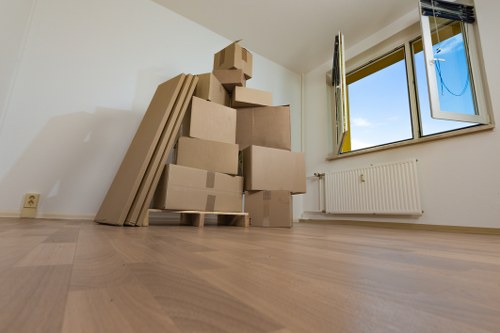
Customers often want to know exactly what they are getting when they book a removal team. The answer depends on the type of service requested, but professional removals in France usually begin with a pre-move assessment of your needs. This helps the company understand the size of the property, the volume of items, access issues, and any objects requiring special handling.
Typical inclusions may cover dismantling and reassembling selected furniture, protective wrapping for fragile items, carrying items from the property to the vehicle, secure loading, transport, and unloading at the destination. Some teams also offer packing materials or help with sorting items in advance. If you have large wardrobes, beds, sofas, appliances, or delicate glassware, these details should be discussed before moving day.
It is also helpful to ask about the approach to fragile, valuable, or awkward items. Mirrors, artwork, musical instruments, antiques, large televisions, and office electronics may need extra packing or specific handling. A reliable local provider should explain what they can move, how they will protect it, and whether additional preparation is needed from you.
In many cases, a move becomes easier when the service includes practical extras such as:
- Delivery of packing supplies in advance
- Advice on labelling and sorting boxes
- Protection for floors, corners, and bannisters where needed
- Coordination for buildings with time-limited access
- Support for multi-stop moves or storage transfers
Every move is different, so the best approach is to choose a team that can adjust the service to your property and schedule rather than forcing you into a fixed package that does not fit.
How removals in France usually work
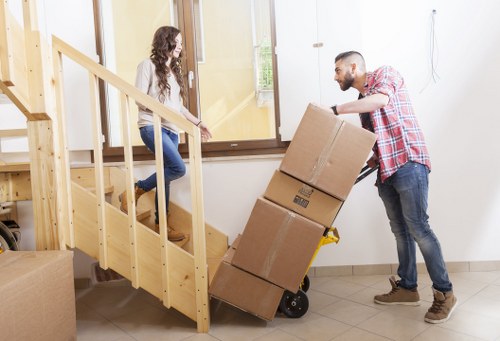
The moving process should feel clear and organised from the first enquiry through to final delivery. Good planning helps avoid delays, missed access windows, and unnecessary stress on the day. Most removal jobs in France follow a structure similar to the one below, although the exact steps may vary depending on the location and size of the move.
First, you explain what needs moving and when you would like the job completed. The team then reviews the property details, volume of belongings, access points, and any special requirements. After that, you receive a quotation or service proposal based on the information provided. Once booked, the company can plan the vehicle, crew size, route, and timings.
On moving day, the team arrives with the necessary equipment and begins by protecting or preparing items as required. Furniture is dismantled if needed, boxes are carried carefully, and the vehicle is loaded with attention to weight distribution and item protection. At the destination, items are unloaded and placed in the rooms or areas you have requested. If the service includes reassembly, selected items are put back together before the team leaves.
For customers moving within France, this can mean careful coordination between city apartments, suburban homes, and rural properties. For cross-border customers, there may be an extra focus on timings, route planning, and paperwork. In both cases, it helps to work with a company that keeps the process straightforward and communicates clearly at each stage.
Clear communication is one of the most valuable parts of the service. When moving day arrives, you want to know who is coming, what time they are expected, and what will happen first. That clarity makes a huge difference, especially when children, pets, landlords, building managers, or business staff are also involved.
Common property types and local moving challenges
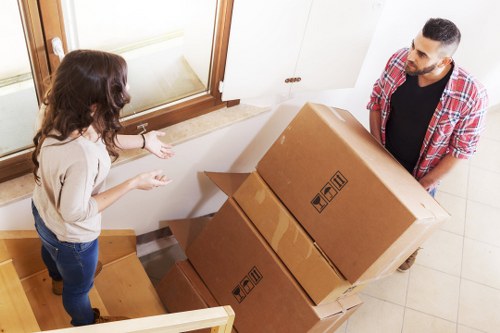
One of the main reasons people search for removal services in France is that property types can create practical difficulties that are easy to underestimate. In older city buildings, you may find narrow staircases, no lift, strict quiet hours, or limited parking directly outside the entrance. In modern developments, access may depend on gate codes, loading bays, or resident-only spaces. In villages and rural areas, the issue may be the opposite: lots of space around the property, but longer transfer distances from the vehicle to the front door.
Some of the most common moving challenges include:
- Parking restrictions near apartments or town centres
- Stairs, mezzanines, and buildings without lifts
- Shared courtyards or narrow entryways
- Long carries from the road to the property
- Large furniture that needs dismantling
- Access limitations in holiday homes or remote properties
- Busy traffic routes affecting timing and collection windows
These factors do not just affect convenience; they can change the whole moving plan. For example, a move from a top-floor apartment in Nice or Montpellier may require a smaller team to manage stairs and loading times efficiently. A move from a farmhouse in the countryside may need a larger van or truck that can handle a longer distance and more volume in one trip. The right vehicle and the right crew size matter as much as the route itself.
If your move includes bulky furniture, delicate household items, or business equipment, it is wise to mention everything in advance. That way, the removal company can decide whether special protection, extra manpower, or staged loading will be needed. Accurate planning helps reduce damage risk and keeps the day running smoothly.
Why choose a local removals company in France
There are many reasons customers prefer a local removal team rather than trying to organise everything themselves. First, a local company usually knows the road network, the common access problems in the area, and how best to schedule around traffic, weather, or building rules. That experience can save time and make the move less stressful.
Second, local teams are often more responsive when plans change. If you need to alter the collection time, add items, or adjust the destination, it is easier to work with a company that already understands the region. That can be especially useful during property completions, rental changeovers, or business relocations where timing matters.
Third, a local removals service can be more practical for customers who need a tailored job rather than a one-size-fits-all package. A good team can offer support for small flat moves, larger family homes, office transfers, and transport of individual items. If you are comparing options for removals in France, look for a company that can explain what is included, how the move will be managed, and what you need to prepare beforehand.
Areas covered
Removal services in France are often requested across urban centres, suburban neighbourhoods, coastal areas, and rural communities. Coverage may vary depending on the company’s base and vehicle availability, but many teams handle moves across a wide region and can support both local and longer-distance relocations.
Customers commonly need help in and around major cities such as Paris, Lyon, Marseille, Bordeaux, Toulouse, Lille, Nantes, Nice, Strasbourg, Montpellier, and Rennes, as well as nearby towns, commuter areas, and surrounding villages. That may include apartment blocks in busy city districts, family homes in residential suburbs, or business premises in commercial zones and industrial estates.
It is also common for people moving to or from France to need a service that can connect larger regions, such as the north of France, the west coast, the south coast, inland rural areas, and cross-country routes. If you are unsure whether your location is covered, it is best to ask when requesting a quote so the team can confirm availability and travel planning.
Local and regional flexibility is especially useful when a property is not easy to reach, when access is timed, or when the move needs to fit around work, school, or business hours. A team that works across a broader French area can often handle these variations with less disruption.
Preparation checklist for a smooth move
Good preparation can make a major difference on moving day. Even when you book an experienced team, there are a few things you can do to keep the move organised and reduce delays. This is especially important for removals in France where access, parking, and property layout may affect how quickly the job can be completed.
Here is a practical preparation checklist:
- Sort items into keep, donate, recycle, and move categories
- Pack non-essential belongings early
- Label boxes by room and priority
- Set aside documents, valuables, and personal essentials
- Disassemble items only if agreed in advance
- Measure large furniture and doorways where needed
- Reserve parking or loading access if your building requires it
- Protect fragile items with suitable wrapping
- Defrost fridges or freezers in advance if they are being moved
- Keep utilities, keys, and access details ready for the new property
It also helps to keep one clearly marked bag or box with items you may need on the first day in the new property. This can include chargers, toiletries, basic kitchen essentials, medication, documents, pet supplies, and a change of clothes. That small step can make the first evening much easier after a long day of moving.
If you are moving a business, preparation should also include IT shutdown planning, staff coordination, file backup, and a clear sequence for which items must be installed first at the new location. Office removals are usually smoother when everyone knows the schedule and the order of priority.
Pricing factors for removals in France
Customers naturally want to understand what influences the cost of a move. While exact prices are not listed here, several factors generally affect quotations for removals in France. Knowing these in advance helps you compare services on a fair basis and choose the right level of support.
The main pricing factors often include the volume of items, the distance between collection and delivery points, access conditions at both properties, the amount of packing or dismantling needed, and the size of the crew required. Timing can also matter, especially if the move is urgent, outside normal hours, or arranged at short notice.
Other considerations may include:
- Whether the property has stairs or lift access
- How far items must be carried from the vehicle
- Whether furniture needs to be dismantled or reassembled
- Whether packing materials are included
- Whether there are multiple pickup or delivery stops
- Whether storage or interim holding is needed
- Whether special care is required for fragile or heavy items
For the clearest result, provide accurate details when you request a quote. If you are unsure how to estimate the number of items, a rough room-by-room list is often enough for an initial assessment. The more information you share, the easier it is for the company to prepare the right vehicle, crew, and schedule.
Commercial removals and office moves
Businesses moving premises in France need a service that is practical, discreet, and well timed. Office removals can involve standard desks and chairs, but they may also include filing cabinets, confidential documents, meeting room furniture, stock, shelving, display units, and specialist equipment. The move may need to take place outside business hours or in stages to avoid unnecessary interruption.
A professional team can help coordinate the process so that staff know what is being moved, when systems will be offline, and which items must be installed first at the new site. In some cases, business customers need help separating what is being discarded, what is being moved immediately, and what will go into temporary storage. Careful planning is essential to keep the relocation efficient and reduce downtime.
Commercial removals in France may also require more attention to building access, loading bays, stairwells, and building management rules. This is especially true for offices in city centres, retail units in pedestrian streets, and shared commercial buildings. A local company familiar with these settings can often make the move simpler to organise.
Residential removals for apartments, houses, and holiday homes
Home moves are often the most emotionally demanding, because you are not just moving furniture; you are moving a household. Families, couples, retirees, and second-home owners all have different priorities. Some need a quick and efficient service with minimal disruption. Others want extra help with packing, furniture handling, and room-by-room unloading.
Apartment moves are often affected by building access, shared entrances, and the need to respect neighbours and time restrictions. House moves may involve larger furniture, garden items, garage contents, and loft or cellar storage. Holiday homes can present their own problems if they are located in remote areas, on narrow roads, or in buildings that are not occupied year-round.
If you are moving into or out of a property in France, it is sensible to discuss the full scope of the job early. That includes wardrobes, outdoor furniture, appliances, boxes from storage, and any items you may have forgotten in outbuildings. A clear inventory helps the moving team estimate the work properly and reduce the risk of surprises on the day.
When the move is well managed, the difference is immediately noticeable. You arrive at the new home with fewer worries, the heavier work has already been handled, and you can focus on settling in. For many local customers, that is the biggest reason to book professional support rather than trying to do everything alone.
FAQ: removals in France
How far in advance should I book a removal?
It is best to book as early as possible, especially if you are moving during a busy period, at month-end, or around school holidays. Early booking gives the team time to plan the vehicle, crew, and route properly.
Can you move items from an apartment with no lift?
Yes, many removals teams regularly handle stair-only access. It is important to mention the floor level, staircase width, and any difficult turns so the team can prepare accordingly.
Do I need to pack everything myself?
Not always. Some customers prefer full packing support, while others pack only some rooms or fragile items. The level of packing assistance depends on the service you choose.
Can you help with furniture dismantling?
In many cases, yes. Beds, wardrobes, and other large items may need to be dismantled to move safely through tight access points. Confirm this in advance so the team can arrive prepared.
What should I do about parking at my property?
If possible, arrange convenient loading access before moving day. In some areas, especially city centres or apartment complexes, parking may need to be reserved or coordinated with building management.
Do you handle office and commercial removals?
Yes, many removal services in France support business relocations as well as domestic moves. Office moves often benefit from extra planning to keep disruption low.
Can you move long-distance across France?
Yes, many customers need regional or nationwide transport. Long-distance moves are easier to plan when the start and finish locations, item volume, and access details are clearly defined.
Choosing the right removal service
When comparing removal companies, focus on how well they understand your specific move rather than just how quickly they respond. The best provider will ask sensible questions about access, item volume, special objects, timing, and destination conditions. That shows they are thinking about your move in practical terms.
Look for a team that explains what is included, what you need to prepare, and what might affect the schedule. A professional service should feel organised, transparent, and adaptable. It should also be suitable for both homes and businesses, with enough flexibility to manage typical French property layouts and local access challenges.
Requesting a quote is the simplest next step if you are ready to move forward. Share the details of your home or business, the collection and delivery locations, and any items that need special care. The more accurate the information, the more useful the response will be. If you are still deciding, ask about service options so you can choose the right level of support before moving day arrives.
Book your removals in France with confidence
Whether you are relocating a flat in a busy city, moving a family home in the suburbs, or organising a commercial move across a wider region, professional removals in France can make the process far easier to manage. A local team brings practical experience, better planning, and a clearer understanding of the access and transport issues that commonly affect moves in France.
Contact us today to discuss your move, request a free quote, or arrange the right service for your property and schedule. If you want a smooth, well-organised move with less stress on the day, booking a reliable removals team is a smart place to start. Book your service now and take the first step toward a more straightforward move.