Removal Company in France
Moving home or relocating a business can feel exciting, but it also brings a long list of tasks, tight deadlines, and a lot of decisions. Choosing the right removal company in France can make the difference between a stressful move and a smooth one. Whether you are settling into a Paris apartment, moving out of a villa on the Côte d’Azur, transferring an office in Lyon, or relocating between regions such as Provence, Normandy, Brittany, or the French Alps, the right team can help you plan, pack, transport, and settle in with far less disruption.
A local removals service is valuable because France has its own moving realities: narrow streets in historic centres, apartment buildings with limited lift access, shared courtyards, strict parking rules, long rural driveways, and busy seasonal traffic around coastal and tourist areas. A professional team understands how to handle these conditions while protecting your belongings and respecting building requirements. If you are looking for a practical, reliable service for a domestic move, an international relocation, or a commercial transfer, this page explains what to expect and how to prepare.
From the first enquiry to the final placement of furniture, the aim is simple: make your move organised, efficient, and as calm as possible. If you are comparing options for a removal company in France, this information will help you understand the service, the main cost factors, the preparation steps, and the areas commonly covered. Contact us today to discuss your move and request a free quote when you are ready.
Why Choose a Removal Company in France?

Hiring a removals team is not just about lifting boxes. It is about planning a move around local conditions and making sure your belongings arrive safely and on time. A removal company in France can help with the practical challenges that many people encounter when moving within the country or arriving from abroad. These challenges often include apartment stairs, old buildings with no elevator, parking restrictions, and limited access for larger vehicles.
For many customers, the biggest benefit is time. Packing, loading, transport, unloading, and reassembly can take longer than expected, especially if the property is large or awkward to access. A trained team can organise the process more efficiently, reducing the burden on you and helping to avoid last-minute problems. For families, that may mean less disruption during school weeks. For businesses, it may mean keeping downtime to a minimum.
Another major benefit is care. Professional movers understand how to wrap fragile items, secure furniture, protect floors and doorframes, and load the vehicle in a way that reduces movement during transit. If you have antiques, artwork, delicate electronics, or specialist equipment, a local removal service can recommend the best handling approach. Book your service now if you want a move planned with attention to detail and local knowledge.
Suitable for Residential and Commercial Moves
Removal services in France are used by a wide range of customers. Homeowners moving from one city to another may need full packing and transport. Tenants relocating between apartments may only need loading and unloading. Retirees moving to a smaller property may need help with sorting, storage, and careful transport of treasured belongings. Businesses may require office furniture moves, archive relocation, or the transfer of equipment between sites.
The right company can adapt to the type of move rather than offering a one-size-fits-all service. That flexibility matters in France, where property layouts vary widely from modern developments to traditional stone houses and village homes with difficult access.
What a Local Removal Service Can Include
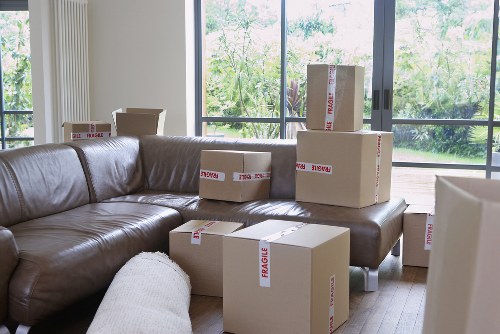
Different moves need different levels of support, so it helps to know what a typical removals package may cover. Some customers want only transport, while others prefer a full packing and moving service. A well-organised team can tailor the work to suit your timetable, property type, and budget priorities.
Common services may include packing materials, protective wrapping, dismantling of certain furniture, loading, transport, unloading, and placement in the new property. Some moves also include short-term storage if there is a gap between leaving one property and entering the next. In commercial settings, the service may include moving desks, shelving, office chairs, IT equipment, files, and meeting room furniture.
Many customers also appreciate assistance with items that are often difficult to move alone, such as wardrobes, beds, large mirrors, pianos, white goods, or garden furniture. If you are unsure what is included, it is always worth asking in advance so that you can plan clearly and avoid surprises on moving day.
Typical Service Options
- Packing service for fragile or time-sensitive moves
- Supply of materials such as boxes, tape, wrap, and covers
- Furniture dismantling and reassembly
- Loading and unloading by trained staff
- Transport with suitable vehicles for local or long-distance moves
- Temporary storage for moves with timing gaps
- Commercial relocation for offices, studios, and workspaces
For customers with limited time, a partial or full packing option can be especially useful. For others, a basic transport-only service may be the best fit. The value of working with a local team is that the service can be adjusted to match your exact situation rather than forcing you into a fixed package.
How Moves Are Handled Across France

France is geographically large and very diverse, so moving in one area can look quite different from moving in another. A removal company in France must be ready for city-centre access issues, rural routes, coastal traffic, mountain roads, and seasonal demand changes. That local experience matters when a move includes tight deadlines or valuable items.
In major cities such as Paris, Marseille, Lyon, Toulouse, Bordeaux, Lille, Nantes, or Strasbourg, the main challenge may be access. Buildings can have narrow staircases, small lifts, or no lift at all. Parking a moving van close to the property may require planning, especially in busy districts or streets with restrictions. In older neighbourhoods, it may also be necessary to protect walls and communal areas during loading and unloading.
In suburban and rural parts of France, the difficulty may be distance, driveway access, or the need to coordinate around fewer local services. Properties may sit on larger plots, with longer carrying distances from the vehicle to the entrance. In coastal or holiday regions, traffic can become heavier at certain times of the year, so timing the move properly becomes even more important. A local team helps you avoid delays by understanding the route, the property type, and the best time to arrive.
Local Knowledge Makes a Difference
Local knowledge is especially useful when a move involves multiple stages, such as picking up items from storage, collecting furniture from one address, and delivering them to another. In France, where some streets are historic and some estates have specific access rules, the removals team needs to plan carefully. This kind of preparation reduces stress and helps keep the day running smoothly.
Whether you are moving within the same town or across regions, a service with French property experience can better judge the equipment, vehicle size, and staffing needed. That can save time on the day and reduce avoidable disruption.
Areas Commonly Covered

A local removals business in France may serve a single city, a wider department, or several regions depending on the type of move. Customers often need help not only in the major metropolitan areas but also in surrounding towns, villages, suburban districts, and coastal or mountain communities.
Typical coverage may include urban centres and nearby residential areas, commuter towns, business districts, village properties, holiday homes, and rural homes with limited access. Many movers also handle route planning for long-distance domestic relocations within France, as well as moves that connect France with nearby European destinations.
When choosing a service, it is sensible to check that the team is comfortable working in your specific area. An apartment in central Paris, a townhouse in Bordeaux, a maison in Provence, a chalet in the Alps, or a country property in Normandy can each require a different approach. The same is true for commercial premises, where office parks and retail units may have loading time limits or site-specific rules.
Examples of Locations Where Support May Be Needed
- City apartments with lift restrictions and limited parking
- Suburban family homes with garages, attics, and garden storage
- Village houses with narrow lanes or reduced vehicle access
- Coastal properties affected by seasonal traffic and visitor congestion
- Mountain homes where route timing and vehicle planning matter
- Offices, studios, retail spaces, and workshops
If you are moving to or from a region with a difficult approach, ask the removals team how they would handle access, timing, and unloading. A good company will discuss the property in detail before the move so the right arrangements can be made.
What to Expect on Moving Day

Moving day is usually easier when everything has been prepared in advance. A professional removal company in France will normally arrive with the correct vehicle, tools, and materials for the job. The team may begin by checking access, confirming the plan, and protecting areas that could be scratched or marked during handling.
After that, items are loaded in an order that supports safe transport and efficient unloading. Fragile boxes are separated from heavier furniture, and larger pieces may be dismantled if needed. At the destination, items are unloaded into the rooms you specify, which helps you get settled faster. For larger or more complex moves, the team may coordinate loading zones, parking, or timed access in advance.
For customers, the day is usually less about doing everything yourself and more about being available to answer questions, confirm priorities, and oversee key items. If you have particular instructions for fragile goods, special furniture, or rooms that need to be accessed first, make those clear at the start. Request a free quote if you want your moving day planned with a clear structure and practical support.
Simple Moving Day Routine
- Confirm the access plan for both properties
- Keep essentials and documents separate
- Walk through the inventory with the team if needed
- Point out fragile, valuable, or awkward items
- Check the final placement of furniture at the destination
A well-run removals service should reduce confusion and keep the process organised from start to finish. That is especially important when multiple people, access points, or addresses are involved.
Preparation Checklist Before You Move
Good preparation makes a noticeable difference. Even if you are using a full-service removals team, there are still a number of practical steps that will help the move run more smoothly. These steps are useful whether you are moving a flat, a family house, a rental property, or a business premises.
Start by sorting through belongings and deciding what should be moved, stored, donated, sold, or disposed of. This reduces volume and makes packing simpler. Then label rooms and boxes clearly so that unloading becomes easier at the new property. If you have children or pets, it may help to arrange care for the moving day so the house stays calmer and safer.
It is also wise to separate essential items you will need straight away, such as documents, chargers, medicines, toiletries, a change of clothes, and basic kitchen supplies. Keep those items with you rather than mixing them in with the main removal load. For business moves, create a separate set of priority items so work can restart quickly.
Helpful Checklist
- Measure doors, stairs, lifts, and narrow hallways
- Check parking or loading rules at both addresses
- Declutter before packing begins
- Label boxes by room and priority
- Protect important documents and valuables separately
- Defrost fridges and freezers if they are being moved
- Notify relevant parties about your moving schedule
If your property has unusual access, such as a steep drive, a courtyard, or limited street parking, tell the removals company early. The sooner the team knows, the better they can plan the right vehicle and manpower.
Pricing Factors to Consider
Customers often want to know what affects the cost of a move. While exact pricing depends on the details of your property and service needs, the most common factors are easy to understand. A transparent removal company in France should be willing to explain how the quote is shaped so you can compare options fairly.
The main elements usually include the distance between properties, the volume of items being moved, the amount of packing or dismantling needed, the number of movers required, and whether storage is involved. Access can also affect the price. A ground-floor flat with easy parking may be simpler than a fourth-floor apartment with no lift and a long carry from the vehicle.
Seasonal timing may also matter. Moves during busy holiday periods, weekends, or the end of the month can be more demanding to schedule. Commercial relocations may involve extra planning if they need to happen outside normal business hours. If you want the best value, provide accurate information from the start so the quote reflects the real scope of the job.
Factors That Commonly Affect Quotes
- Distance travelled within France or beyond
- Size and weight of the load
- Packing, dismantling, and reassembly requirements
- Access issues at collection and delivery addresses
- Storage needs and timing gaps
- Special handling for fragile or valuable items
- Business move complexity and schedule constraints
A detailed quote is usually the most useful one because it helps you understand what is included and what the move will require. If you are comparing services, look beyond the headline price and ask how the job will be managed in practical terms.
Why a Local Company Is Often the Best Choice
There are good reasons many customers choose a local moving team rather than a distant one. Local movers are more likely to know the streets, access restrictions, building styles, and traffic patterns in your area. That kind of familiarity is especially helpful in France, where a move can be affected by old town layouts, communal entrances, seasonal tourism, or regional road conditions.
A local removals company can often respond more quickly, assess your needs more accurately, and arrange the right team size for the job. This matters whether you are moving a small apartment, a large household, or an office. It can also be useful if your move includes multiple trips, short-term storage, or collections from several addresses.
For customers, local service also tends to feel more personal and flexible. You can discuss the details of your property more easily, explain access challenges, and agree on a plan that fits your routine. That is particularly important for older buildings, rental flats, holiday homes, and businesses that need to keep disruption low.
Benefits at a Glance
- Better understanding of local roads and access points
- More practical planning for complex properties
- Flexible support for domestic and business moves
- Easier coordination for timing, parking, and loading
- Clearer communication around the details of the move
If you want a move handled by people who understand local conditions and customer expectations in France, choosing a local team is often the most sensible first step.
Residential Moves: Houses, Flats, and Holiday Homes
Home moves in France can vary enormously. A compact city apartment has very different requirements from a family house with a garage, garden furniture, and an attic full of stored items. Holiday homes also bring special considerations, especially if the property is only used part of the year or sits in a location with seasonal traffic and limited nearby services.
For flats, the main concerns are often stairs, lifts, shared entrances, and neighbours. For houses, the job may involve larger volumes, more furniture, and the handling of items stored in sheds or basements. For holiday properties, the move may be timed around opening season, rental changeovers, or long-distance travel plans. A professional team can adapt the move to the property and the customer’s schedule.
If you have fragile décor, family heirlooms, or heavy furniture with sentimental value, it is worth pointing this out early. A careful removals service can recommend protective wrapping and loading methods that help reduce the chance of damage during transit.
Common Household Items Moved
- Beds, wardrobes, sofas, and dining furniture
- Kitchen appliances and white goods
- Books, clothing, and personal possessions
- Garden furniture and outdoor storage items
- Boxes of documents, decorations, and household essentials
Whether you are moving from one side of town to another or across a region, a structured approach helps the household settle more quickly once the removal vehicle arrives.
Commercial and Office Relocations
Business moves need a different approach because time is often critical. An office, shop, clinic, studio, or workshop may need to relocate with minimal interruption to daily operations. A removal company in France that works with commercial customers should be able to plan the move around access rules, equipment sensitivity, and business timing.
Office moves often involve desks, chairs, storage units, IT equipment, files, and meeting room contents. Retail or hospitality relocations can include shelving, stock, display equipment, and front-of-house items. In many cases, the move needs to be done outside regular opening hours or in stages so that the business can continue operating as much as possible.
Good planning is essential. Items may need to be labelled by department, floor, or function. Sensitive documents and hardware may need extra handling. If a workspace is being moved in multiple phases, storage may be needed to bridge the transition. A local team with commercial experience can help structure that process clearly.
Questions Businesses Often Ask
- How can we move without stopping operations for too long?
- Can the move be split into stages?
- How are IT and office equipment protected?
- Can furniture be dismantled and rebuilt?
- Is storage available between offices?
For businesses, the best removals partner is one that understands how to keep the move efficient, organised, and aligned with the working day.
How to Prepare for a Quote Request
When you request a quote, the more accurate the information, the better the recommendation will be. You do not need to know every detail immediately, but it helps to have a clear picture of the property, the move date, the volume of items, and any access issues. If you are moving within France or arriving from abroad, mention the route, the start and end locations, and whether storage or packing is needed.
Try to include whether the property is a house, apartment, or business premises, and whether there are stairs, lifts, or parking restrictions. If there are particularly heavy items, fragile possessions, or rooms with lots of packed boxes, let the company know. This helps with planning the correct vehicle and team size.
Request a free quote when you are ready to move forward. A clear enquiry saves time and helps you receive a more practical response. If you are still preparing, write down your questions so they can be discussed before the moving date is confirmed.
Information Worth Sharing Early
- Collection and delivery locations
- Preferred moving dates
- Approximate number of rooms or volume of goods
- Any special items that need care
- Parking, lift, or access limitations
- Need for packing, storage, or dismantling
This approach helps the removals team understand your needs properly and gives you a smoother planning experience from the outset.
Frequently Asked Questions
Below are some of the questions customers commonly ask when choosing a removal company in France. These answers are designed to help you prepare and decide what level of support you need.
Do you handle moves within the same town as well as long-distance relocations?
Yes, many removal services handle both local and longer domestic moves. The exact service will depend on your location, property type, and how much needs to be moved.
Can you help with apartment moves in older buildings?
Yes. Apartment moves are common in France, including in older buildings with stairs, narrow corridors, or limited lift access. It is important to mention access details early so the team can prepare.
What if I need storage for a short time?
Some moves require storage because the new property is not ready yet, or because the move is happening in stages. If this applies to you, ask about storage options when you request your quote.
Can a removal company move office equipment and business furniture?
Yes. Many removal companies work with businesses, offices, and other commercial premises. They may assist with furniture, equipment, files, shelving, and other work-related items.
How far in advance should I book?
It is sensible to book as early as you can, especially during busy periods, at the end of the month, or when you need a specific moving date. Early booking also gives more time to plan packing and access arrangements.
What should I do on the day before the move?
Keep essential items separate, confirm parking or access arrangements, check that boxes are labelled, and make sure the route through the property is clear. If you are using a packing service, keep important documents and valuables with you.
If you have additional questions, speak with the removals team before the job is confirmed. That way, your move can be planned around your property, your schedule, and the local conditions that matter most.
Ready to Move? Plan It the Right Way
Choosing a removal company in France is about more than finding someone to transport boxes. It is about choosing a team that understands the realities of moving in French towns, cities, and rural areas, and that can adapt to apartments, family homes, offices, and specialist properties. When the service is organised well, you save time, reduce pressure, and protect the things that matter to you.
If you are planning a domestic move, a business relocation, or a move that involves packing, storage, or difficult access, now is the time to get the details in place. The sooner you share your moving dates, property type, and route, the easier it is to build a practical plan.
Contact us today to discuss your move, ask about what is included, and request a free quote. Book your service now if you want a local removals team ready to help you move across France with confidence and care.