House removals in France

House removals in France should feel organised, careful and straightforward from the first conversation through to the final unloaded item. We provide a practical removals service for people moving home, handling the transport of furniture, boxed belongings and other household effects with a focus on safe loading and sensible planning. Whether the move is a flat, family house or shared property, the aim is to keep the work clear, manageable and suited to the volume and access involved.
The core service is centred on domestic removals, with support for lifting, carrying, loading and delivery in a way that reflects the layout of the property and the nature of the items being moved. Some homes require careful handling of bulky furniture, while others are better served by smaller, more flexible vehicle arrangements. We can support moves where the work is mainly about transport, and we can also help when a fuller moving day approach is needed.
To request a quotation, start with the size of the property, the kind of items being moved and the dates you are working towards. A clear house removal enquiry is easier to shape when the likely access points, parking considerations and any especially heavy or awkward items are noted. If you are comparing options, keep the scope simple and specific so the right moving plan can be matched to your household.
Home moving support for different property sizes
Domestic removals vary widely, so the most useful plan is the one that reflects the property rather than forcing every move into the same pattern. A one-bed flat may need an efficient load sequence and one vehicle, while a larger family home may involve more time for handling, packing support and furniture placement. We keep the service practical, with the work shaped around what needs to move and what can stay in sequence on the day.
In many moves, the biggest difference comes from how the house is arranged and how much furniture can be dismantled or left assembled. Sofas, beds, wardrobes, tables and white goods each ask for a different approach. If the route from the property is narrow or stairs are involved, the handling plan needs to account for turns, door widths and protected surfaces. When you are ready, ask for a quotation and give enough detail for a sensible estimate.
Planning the load
A good home move usually begins with deciding what goes first, what needs protection and what will be kept close together in the vehicle. Fragile boxes often travel best in a separate part of the load, while heavier items are used to build a stable base. For customers who are still sorting the move, a short written inventory can be useful, but it does not need to be complicated. Simple notes about the main rooms and larger items are often enough to begin.
Packing and unpacking services
Packing is often the difference between a move that feels rushed and one that feels under control. Our packing and unpacking services are designed for households that want support with wrapping, boxing and orderly placement rather than doing everything themselves. The work can be arranged around the level of help needed, from select fragile items to more complete room-by-room packing, always with care for the way the belongings are to be transported.
Good packing is about more than filling boxes. It is about grouping items logically, protecting surfaces that scratch easily and making sure the load can be handled efficiently during removal and delivery. Kitchenware, books, clothes, decorations and personal paperwork each benefit from different packing methods. When unpacking is included, the aim is to reduce the amount of sorting left at the new property and help each room become usable in a sensible order.
If you are comparing moving options, it can help to think about the tasks that you would most like to keep off your own list. Some customers only need help with breakables, while others prefer a fuller preparation service because they have limited time or a large number of rooms. For a quotation, mention whether packing materials are already available, whether furniture needs dismantling and whether the move includes both packing and delivery on the same day.
Vehicle options and loading methods
Every move needs the right vehicle and the right loading approach. Some jobs suit a smaller van with careful stacking, while others call for a larger removal vehicle so items can travel without being compressed too tightly. Our fleet-related services include moving van and moving truck options where they are appropriate to the scale of the move, along with practical loading methods that help protect the furniture and boxes.
The important question is not simply how much is moving, but how it can travel safely. Tall wardrobes, mattresses, mirrors, appliances and boxed contents often need to be distributed in a way that balances weight and reduces movement in transit. A removal van or removal truck hire arrangement may suit different kinds of jobs, depending on access, timing and the amount of furniture that must be carried in one run.
Helpful details for a quote usually include the property type, the number of major rooms, whether there are steps or lifts, and whether parking is straightforward at both addresses. If there are items that need special handling, such as glass furniture or awkwardly shaped pieces, mention them early. Two or three clear details are more useful than a long message with missing essentials, and they help keep the estimate aligned with the real work involved.
Furniture removal and careful handling
Furniture is often the most visible part of a house removal, and it is also the part that most needs measured handling. Our furniture-focused services include furniture pick-up where individual pieces need moving separately, and removal work where larger household items are loaded as part of a full home move. The emphasis is on protecting the item, the property and the route between them.
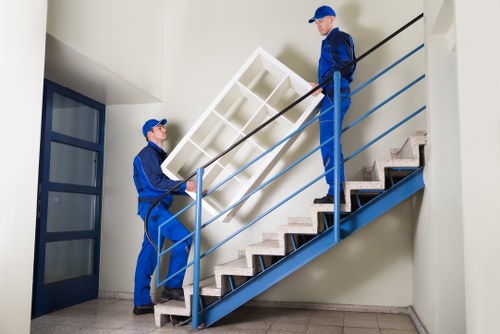
Many households have a mixture of easy-to-carry belongings and a few pieces that need more thought. Beds may need to be dismantled, wardrobes may be too large for a simple carry, and dining tables may need protective wrapping before loading. We can handle these tasks as part of the wider removal plan so that the move is not slowed down by avoidable handling problems. This is especially helpful where furniture must pass through tight hallways or upstairs rooms.
For customers preparing a move, it is useful to separate the items that must travel from those that can be sold, donated or left behind. That way, the removal day stays focused on what actually needs transporting. If you are seeking a quotation, make a brief list of the larger pieces first and then add the smaller categories. That makes the assessment more accurate without creating unnecessary admin.
Domestic removal services with flexible scope

Our domestic work covers a range of moving requirements, from straightforward home removals to more tailored help with specific household tasks. The house removals page reflects the main service, while home moves and removal services show the broader domestic support available for customers who need a slightly different arrangement. This allows the service to be matched to the household rather than forcing every move into a single pattern.
Some customers want a complete end-to-end move. Others need only the transport element, perhaps because they have already arranged packing or because only a limited number of rooms are changing address. We work with the practical scope that has been agreed, which may include carrying, loading, unloading and careful placement in the new home. The useful outcome is not simply movement from one door to another, but a move that follows a clear sequence.
If you are unsure which service wording fits your circumstances, describe the house size, access conditions and the main items that need moving. A short enquiry is enough to begin. You do not need to over-explain, but you should mention anything that affects lifting or access. That helps shape a realistic quotation and avoids last-minute changes that can make the day more difficult than it needs to be.
About France
France is a large and geographically varied country in Western Europe, stretching from the English Channel and North Sea in the north to the Mediterranean in the south, and from the Atlantic coast in the west to the Alpine frontier in the east. Its landscape ranges from low coastal plains and river valleys to mountain regions such as the Alps, the Pyrenees and the Massif Central. The country’s principal river systems include the Seine, Loire, Rhône and Garonne, each of which has helped shape settlement, agriculture and transport over many centuries. Paris, the capital, is central to national life, but many other cities also have distinct identities shaped by regional language, trade, administration and culture. Historic towns, cathedral cities, fortified harbours and vineyard landscapes all contribute to a varied built environment, while the transport network links major urban centres with smaller communities across the mainland. France also includes overseas departments and territories beyond Europe, adding to the country’s wider geographical character. Cultural life is equally broad, with museums, theatres, churches, public gardens and civic squares found in towns and cities of many sizes. Architecture reflects different periods, from Roman remains and medieval stonework to classical boulevards and modern developments, creating a layered national landscape that is widely recognised for its visual variety and historical depth.
Commercial moves and office relocation services
Although the main focus here is domestic work, some customers also need support with premises that contain both household and small-business items. In those situations, a planned approach to business equipment, files, desks, chairs and stock can sit alongside the household move. Where commercial items are involved, the same careful principles still apply: identify the load clearly, protect fragile pieces and keep the moving sequence sensible from collection to delivery. If you need a mixed move, mention that early so the scope can be assessed properly.
Business relocations can involve different access times, more structured item lists and a stronger need to keep essential equipment grouped together. The relevant services on this site include commercial moves and office relocation services, which indicate that the business also handles non-domestic moving requirements where appropriate. For some customers, these services are best used for smaller offices or premises that are changing location without a large amount of specialist equipment.
Wherever the move is taking place, clarity matters. If there are filing cabinets, IT equipment, printers or other items that need a deliberate loading order, note them before the quotation is prepared. A good estimate will take account of item type as well as volume. It is also sensible to say whether the move must happen during a particular time window, since access restrictions can affect the plan.
Household and local support options

Some customers prefer to use a removals company for the full move, while others need a more specific support option. The related pages for man and van, man with van and man with a van indicate flexible arrangements for lighter loads or moves that do not require a full-scale vehicle setup. These options can be useful when the move involves a smaller property, fewer large items or transport only.
There are also related service names such as removals, removals near me and removal company, which suggest a general removals offering rather than a single narrow package. That breadth is helpful where customers want to compare service styles, decide how much help they need and choose between a full move and a lighter transport arrangement. The right option depends on item volume, access and the amount of loading support required.
If you are planning a smaller move, list the main items first and then add any awkward pieces. If you are planning a larger one, group the rooms and say whether packing is already under way. Either way, the clearest quotation requests are the ones that match the real shape of the job. pricing and quotes information can also help you prepare for the details a quotation may need.
Insurance, safety and secure payment
Moving household goods is not only about lifting and transport; it is also about using safe methods and clear terms. The site includes insurance and safety, health and safety policy and payment and security pages, which are useful for customers who want to understand the practical safeguards and the way transactions are handled. These pages sit alongside the moving service so people can review the practical arrangements before they commit.
Safety during a move depends on the condition of the items, the access routes and the handling plan used on the day. Stairways, narrow doors, uneven paths and heavy furniture can all affect how work is organised. Clear payment terms matter too, especially where a quotation is being compared with other options. Good planning reduces uncertainty, and it helps the move proceed in a calm, orderly way rather than becoming a series of rushed decisions.
If you are preparing to enquire, keep the request focused on the work that actually needs to be done. A concise description is usually enough. If there are items with unusual weight, delicate surfaces or special access needs, include those details so the quotation can reflect them properly. Then ask for a quote in plain language and let the scope do the talking.
Contact us for a house removals quotation

When you are ready to move, the easiest way to begin is to send the main facts in one message: the property type, the destination area, the larger items, any packing support required and any access issues that may affect loading. This keeps the quotation process efficient and reduces the chance of missing an important detail. It also helps us judge whether the job suits a full removal service or one of the more flexible related options.
You can also use the wider site to review related information before you decide. For example, about us gives general background, while contact us is the place to make a direct enquiry when you are ready to ask for a quotation. If you want to compare service wording first, house movers, house removalists and removal companies provide further context for the moving service itself.
Ask for your quotation today and keep it simple: what is moving, where it is going and what help you need with the process. If the move is time-sensitive, include the preferred date or window. If you are unsure which service name fits best, say that too and we can help shape the enquiry into a clear removals request.