Commercial Moves in France
Professional commercial relocation support for businesses across France

When a company needs to move, the job is rarely as simple as loading boxes into a truck and heading to a new address. Commercial moves in France often involve coordination between multiple teams, careful timing around business hours, building access rules, lift reservations, parking permits, and the safe handling of furniture, IT equipment, archives, and specialist stock. Whether you are relocating a small office, a retail unit, a clinic, a coworking space, or a larger corporate site, the goal is the same: keep disruption low and get operations back up and running as quickly as possible.
For local customers, the value of using a company that understands France is clear. Town centres can be busy, older buildings may have narrow staircases or limited loading access, and some commercial premises are located in mixed-use areas where parking and unloading need to be managed carefully. A business move in Paris is very different from one in Lyon, Marseille, Lille, Bordeaux, Toulouse, Nantes, Nice, or a smaller commuter town. A professional team can adapt to these realities and help you plan around them.
If you are comparing services, it helps to look for more than transport alone. A reliable provider should support planning, packing, dismantling, handling, transport, and set-up, while respecting your schedule and the practical needs of your site. That is especially important for companies with customers on-site, confidential records, fragile equipment, or strict opening hours. Contact us today if you are looking for a service that is tailored to business needs rather than a one-size-fits-all approach.
What commercial moving services can include

Every relocation is different, but most commercial moves can be broken into clear stages. Understanding what is included makes it easier to choose the right package and prepare your business properly. Depending on your requirements, a move may include full or partial packing, furniture disassembly, labelling systems, transport, unloading, reassembly, and placement of items in the correct rooms or zones at the destination.
Many businesses also need specialist support. For example, offices often need secure handling of computers, monitors, printers, phones, servers, and filing cabinets. Retail businesses may need help moving display units, fixtures, stock, and back-office furniture. Hospitality venues often require the careful transport of tables, chairs, shelving, bar equipment, and storage items, while medical and professional practices may need exceptional care with records, sensitive equipment, and patient-facing furniture.
A well-organised commercial relocation service may also help with:
- Pre-move planning and scheduling
- Site surveys for access, lifts, and loading bays
- Packing materials and labelled crates or boxes
- Furniture dismantling and reassembly
- Special handling for delicate or bulky items
- Secure transport across local, regional, or national routes
- Unloading and placement at the new premises
- Waste removal or post-move clearance where needed
For many clients, the best choice is a move that combines practical logistics with flexible timing. Evening, weekend, or phased relocation options can reduce downtime and help teams continue working while the transition is underway. Book your service now if you want the move planned around your business rather than the other way around.
Why businesses in France choose a local moving team

France has a wide range of commercial environments, and local knowledge matters. City-centre offices may be in buildings with restricted vehicle access, historic façades, or limited parking, while business parks on the outskirts may have broader access but tighter site rules and multiple tenants using shared loading areas. A local team understands these differences and can plan accordingly.
Commercial customers often appreciate a provider who knows how to work around common French property types: Haussmann-style buildings with stairs and lifts that need careful coordination, modern office blocks with booking systems for service lifts, warehouse-style units with loading docks, and retail premises on pedestrian streets where unloading times are restricted. These practical details can have a big effect on the success of the move.
Another reason local support is valuable is communication. When several departments, suppliers, and building managers are involved, clear scheduling becomes essential. A professional team can help coordinate key timings, advise on access constraints, and adjust plans if building management requirements change. That responsiveness is particularly useful for companies operating in busy areas such as central Paris, the greater Île-de-France region, the Rhône corridor, Provence, or the Atlantic business hubs.
Types of commercial relocations we support

Commercial moves in France can cover many sectors, and each one brings its own priorities. Office moves often need efficient relocation of desks, chairs, filing systems, meeting-room furniture, and technology. Retail moves may involve stock transfer, display installation, and careful scheduling to avoid interrupting opening hours. Hospitality relocations can require fast turnaround and disciplined labelling, while professional services firms may prioritise confidentiality and minimal interruption to client-facing work.
Some of the most common move types include:
- Office relocations for small teams, multi-floor businesses, and corporate headquarters
- Retail moves for shops, showrooms, boutiques, and franchise locations
- Hospitality and leisure moves for cafés, restaurants, hotels, and venues
- Medical and wellness practice moves for clinics, treatment rooms, and consulting spaces
- Warehouse and light industrial moves for stock, shelving, and operational equipment
- Educational and training space moves for classrooms, offices, and shared facilities
H4: A move can be planned as a full relocation or a phased transition, depending on how your business operates. H5: If you need one department moved before another, or if you want weekend transport followed by weekday installation, that can often be arranged. The best approach is the one that protects your workflow and reduces disruption for staff and customers alike.
For many customers, this flexibility is the deciding factor. A business that relies on appointments, bookings, or daily footfall cannot afford a disorganised relocation. Choosing a provider with experience in commercial removals in France helps reduce stress and supports a cleaner handover between sites.
How the moving process usually works
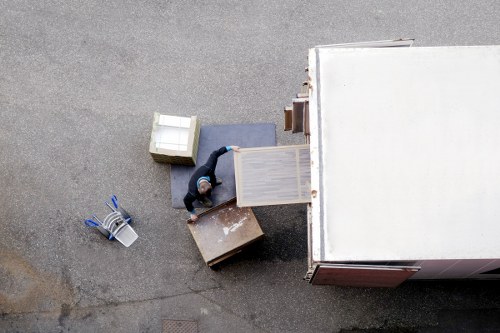
The process for a commercial move generally starts with a discussion of your premises, timeline, and objectives. A business relocation is most successful when the layout, item volume, access points, and special handling needs are understood early. This makes it easier to identify the right vehicle size, workforce, packing method, and sequence for loading and unloading.
Typical stages of the process include:
- Initial assessment: Review the current and new premises, access details, lift availability, staircases, parking, and any site restrictions.
- Planning: Build a move schedule that fits your opening hours, staff availability, and building rules.
- Packing and labelling: Prepare boxes, crates, and furniture so everything reaches the correct room or department.
- Move day transport: Carefully load, secure, and transport items using appropriate equipment and safe handling methods.
- Unloading and set-up: Place items in the right areas, reassemble furniture where needed, and support the reset of the workspace.
This structured approach matters because commercial relocation is not just about moving items from one place to another. It is about reducing lost time, protecting assets, and making the new site usable as quickly as possible. When teams know what to expect, they can prepare their desks, files, stock, and equipment in a way that saves time on the day.
If your business has strict deadlines, a landlord handover, or a launch date for the new site, ask about phased move planning. Request a free quote and share as much detail as possible about the premises, access, and the items that need to move. The more precise the information, the easier it is to build a practical schedule.
Practical challenges often faced in France
Moving a business in France often means dealing with a combination of urban restrictions, building rules, and local traffic conditions. In major cities, parking a vehicle near the entrance can be difficult, especially on narrow streets or in pedestrianised zones. Historic buildings may have tight corners, steep stairways, or fragile interior finishes that require extra care. In business districts, shared access points and service lifts may need to be reserved well in advance.
These issues are not a problem when they are planned for early. A professional commercial removals team will consider the practical side of the relocation, such as whether a van can stop safely outside the building, how long unloading is likely to take, and whether items need to be carried a long way from the vehicle to the entrance. In some areas, local permits or timed access windows may also affect the schedule.
Smaller towns and suburban commercial zones can have their own challenges too. Access roads may be shared with residents, warehouses may have strict loading times, and business parks can have multiple companies using the same bays. A team experienced in commercial moves in France will be used to this variety and will plan with both the old and new locations in mind.
Common access and parking issues
Here are some practical examples that can influence the move:
- Limited roadside parking near the office or shop
- Low ceilings or narrow corridors in older properties
- Lift booking requirements for multi-storey buildings
- Timed loading windows for retail streets and busy centres
- Shared car parks or loading docks in business parks
- Restricted access for oversized vehicles in town centres
These details may seem small, but they have a real effect on timing and labour requirements. Preparing for them early helps keep the relocation smooth and avoids unnecessary delays on the day.
Preparation checklist for a smoother business move
Preparation is often the difference between a move that feels controlled and one that feels chaotic. Before the relocation date, it helps to assign internal responsibilities, decide what is moving, and confirm what should be disposed of, stored, or replaced. A commercial moving team can help with practical logistics, but your staff will also need a simple checklist so they know what to pack and when.
Useful preparation steps for businesses
- Nominate a move coordinator or internal contact
- Inform staff of the timetable and department-specific tasks
- Back up digital files and label important equipment
- Separate confidential documents from general office items
- Notify building management about access and lift requirements
- Measure furniture and equipment for the new space
- Identify items that need special handling or disconnection
- Plan the layout of the new premises before move day
It is also sensible to think about operations after the move. For example, which desks need to be functional first? Which team members need immediate access to phones and computers? Which stock or equipment must be set up before customers arrive? Answering these questions in advance helps the move crew place items in the right order.
Commercial moves in France are often easier when the business provides a clear floor plan, room labels, and priority lists. Even a simple sheet showing department names, room numbers, and item groupings can save time and reduce confusion during unloading.
Pricing factors and what can affect the quote
Customers often want a quote that reflects the true scope of the move, without surprises later. While exact pricing depends on the service provider and the details of the relocation, several key factors usually influence the final cost. Being aware of these factors helps businesses compare proposals on a like-for-like basis.
Common pricing factors may include the volume of items, the number of floors involved, whether furniture needs to be dismantled and rebuilt, the need for packing supplies, access limitations, the distance between sites, and the overall time required. Moves involving fragile equipment, archive handling, or staggered delivery schedules may also require extra planning.
Typical factors that shape the cost include:
- Size of the office, shop, or commercial premises
- Number of desks, storage units, and workstations
- Specialist items such as servers, display cabinets, or machinery
- Complex access, stairs, or long carrying distances
- Timing requirements, including evenings or weekends
- Packing and unpacking support
- Additional services such as clearance or furniture reassembly
When requesting a quote, it helps to be specific about the type of business, the locations involved, and any restrictions on the buildings. That allows the mover to provide a realistic estimate and reduce the chance of unexpected changes later. Contact us today if you want a quote based on your exact move requirements rather than a rough estimate.
Why local expertise is useful for commercial customers
Business customers in France benefit from choosing a provider that understands both the logistics and the local environment. A move in a dense urban area may require careful timing and shorter carrying distances, while a relocation in a regional business park may depend on warehouse access and loading dock coordination. Local expertise helps the moving day run more smoothly because the team can anticipate the kinds of issues that are common in the area.
There is also a trust factor. Companies want to know that their equipment, records, and furniture will be handled with care and that the team will turn up prepared. A local commercial removals company is often better positioned to provide flexible scheduling, clearer communication, and a more practical approach to site conditions. That can make a major difference when the deadline is fixed and the business has to keep operating.
For organisations with multiple sites, branch offices, or changing premises, it is especially useful to work with a provider that can manage moves across different parts of France. A consistent approach helps with planning and reduces the burden on internal teams. Whether you are moving within the same city or relocating to another region, the right support can save time and reduce avoidable stress.
Areas covered across France
Commercial moving services can be arranged for many parts of France, including major cities, surrounding suburbs, and regional business zones. The exact service area will depend on the provider, but customers commonly request relocations in and between areas such as Paris and Île-de-France, Lyon and the Rhône area, Marseille and the southern coast, Lille and the north, Bordeaux and the southwest, Toulouse and the Occitanie region, Nantes and western France, Strasbourg and the Grand Est, Nice and the Riviera, and many nearby towns and industrial estates.
Coverage often extends beyond city centres to office parks, logistics hubs, retail parks, and mixed-use developments. That is useful for businesses that are moving from a historic centre into a modern commercial site, from a smaller branch office into a larger regional base, or from a warehouse into a showroom and fulfilment space. The key is to plan around local access, traffic, and building rules at both ends of the move.
If your business sits in a location with awkward parking, limited service access, or strict loading times, mention that early. That allows the moving team to plan the right vehicle access and labour strategy from the beginning. Book your service now if you want help with a move anywhere in France, from central urban districts to outer commercial zones.
How to choose the right commercial moving company
Choosing a mover for your business is not just about availability. You want a team that understands commercial priorities, protects your property, and works in a way that suits your operations. A good provider should ask the right questions before the move, explain how the process will work, and give you a clear idea of what is included.
When comparing options, look for a company that is comfortable with office furniture, business equipment, and access planning. It should be able to adapt to different property types, from modern business centres to older buildings with more complicated layouts. Flexibility is especially important if your relocation must happen outside normal trading hours or if the move needs to be split over more than one day.
Useful questions to ask before booking:
- Have you handled similar commercial moves in France before?
- Can you support packing, dismantling, and reassembly?
- How do you handle access issues and parking restrictions?
- Can the move be scheduled outside business hours?
- What information do you need to prepare an accurate quote?
- How will items be labelled and placed at the new premises?
The answers to these questions should help you judge whether the service is right for your company. The best commercial move partners are the ones who make the process feel organised, efficient, and manageable.
Frequently asked questions
How far in advance should I book a commercial move?
It is usually best to book as early as possible, especially if your move needs to happen on a specific date, during a weekend, or around holiday periods. Early planning also helps with building access, staff coordination, and the preparation of packing materials.
Can a move be done outside normal business hours?
Yes, many commercial relocations can be arranged for evenings, weekends, or phased time slots. This can be particularly useful for customer-facing businesses, offices with deadlines, or companies that want to avoid interrupting their working day.
Do I need to pack everything myself?
Not necessarily. Some businesses prefer to handle internal packing, while others want full packing support. A provider may be able to supply materials, label crates, and pack sensitive items where needed. The right option depends on your budget, timeline, and internal resources.
What if my office has difficult access?
That is common in France, especially in city centres and older buildings. Narrow streets, stairs, lifts, shared courtyards, and limited parking can all be managed with the right planning. Make sure access details are shared early so the team can prepare appropriately.
Can you move fragile equipment and confidential files?
Yes, but these items should be identified in advance so they can be handled with extra care. Confidential files may need special labelling or separate transport, while fragile equipment may require protective packing and dedicated loading arrangements.
What should I do if the new premises are not ready yet?
If there is a delay at the destination, the move may need to be phased or adjusted. In some cases, it is possible to store items temporarily or reschedule part of the relocation. The earlier the issue is raised, the easier it is to reorganise the plan.
Final thoughts for businesses planning a move
A commercial relocation is a major operational task, but with the right support it can be managed in a calm and structured way. The best outcomes usually come from careful planning, clear communication, and a moving team that understands how businesses in France actually work. From access restrictions in city centres to loading challenges in suburban parks, the details matter.
If you are preparing for an office move, retail transfer, practice relocation, or any other business move in France, now is the time to get the process moving. Think about your timeline, the items that need specialist care, and the type of support your team will need on the day. A professional service can take a lot of pressure off your staff and help you focus on reopening smoothly.
Request a free quote or contact us today to discuss your relocation needs. Whether you are moving within the same town, across a region, or between commercial hubs, experienced help can make the difference between a stressful disruption and a well-managed transition.