Pack fragile heirlooms for international removals with confidence
Moving abroad is stressful enough without worrying about the vase your grandmother kept on the sideboard, the framed portrait that has survived three house moves, or the little box of keepsakes that somehow carries half your family story. If you need to pack fragile heirlooms for international removals with confidence, the job is part logistics, part care, and part calm decision-making. The good news? With the right approach, these items can be protected properly without turning your entire move into a museum project.
This guide walks you through the real-world process: what makes heirlooms different from ordinary breakables, how to pack them for long-distance transport, what mistakes to avoid, and when it makes sense to bring in professional help. If you are also comparing removal support for a wider move, you may find it useful to look at packing and unpacking services, removal services, and insurance and safety information before you start.
Let's face it: when an item cannot be replaced, "wrap it and hope" is not a plan. It's a gamble. And for heirlooms, that's not good enough.
Table of Contents
- Why this matters
- How the packing process works
- Key benefits and practical advantages
- Who this is for and when it makes sense
- Step-by-step guidance
- Expert tips for better results
- Common mistakes to avoid
- Tools, resources and recommendations
- Law, compliance, standards, or best practice
- Options, methods, or comparison table
- Case study or real-world example
- Practical checklist
- Conclusion
- Frequently asked questions
Why Pack fragile heirlooms for international removals with confidence Matters
Heirlooms are different from standard household breakables because their value is often emotional, historical, or both. A chipped cup can be disappointing. A cracked oil painting, a split cabinet inlay, or a family heirloom clock with delicate brass fittings can feel like a genuine loss. International removals add extra risk because the item is likely to face more handling, longer transit times, changes in climate, and sometimes multiple transfer points. That means more movement, more vibration, and more opportunities for damage.
There is also the practical side. Customs checks, storage periods, port transfers, and road journeys can all influence how your belongings should be packed. A box that might survive a short local move may not survive a fortnight of loading, unloading, stacking, and vibration. A little more effort now usually saves a lot of regret later. No one wants that awful moment of opening a box and hearing a tiny rattle that shouldn't be there.
For families, collectors, and anyone moving treasured possessions, the right packing method protects not just the object, but the story attached to it. That is the real point. Not perfection. Just proper care.
How Pack fragile heirlooms for international removals with confidence Works
The process works by layering protection. Think of it as creating a small, stable environment around each object so it can withstand bumps, tilt, and compression without touching the box walls or another item. Good packing starts with assessing the item, then selecting the right materials, then immobilising the object inside its packaging so movement is kept to a minimum.
In practice, that means you do not simply place a fragile heirloom in a box and fill the gaps with whatever is at hand. Instead, you build a packaging system: inner wrap, cushioning, a fitted box, and often an outer box for added strength. For very valuable or unusually shaped items, professional packing methods may include custom crates, foam inserts, or double boxing. If the item is especially delicate and you are already arranging a broader home move, a reputable home moves service or experienced movers can make the whole process much less nerve-racking.
Here's the simple logic: if the item cannot move, it cannot collide. If it cannot collide, it is much less likely to break. Sounds obvious, but you would be surprised how often that one rule gets overlooked.
The basic protection layers
- Surface protection: soft wrap to prevent scratches and minor abrasion.
- Structural cushioning: padding that absorbs shock and keeps the item centred.
- Box support: a strong carton or crate that resists crushing and stacking pressure.
- Motion control: internal filling that prevents shifting during transit.
For heirlooms with sentimental value, it is also worth building in a documentation layer: photos, condition notes, and labels. That helps if you need to make an insurance claim or simply want to confirm what went into each box.
Key Benefits and Practical Advantages
The biggest benefit is obvious: fewer breakages. But the real advantages go a bit further than that. Good packing makes the entire international move easier to manage. It reduces anxiety, improves loading efficiency, and helps movers handle the boxes more carefully because they are clearly marked and properly built.
- Better protection in transit: double boxing, cushioning, and rigid support reduce impact damage.
- Lower stress on moving day: properly prepared items are easier to load and less likely to panic you halfway through the process.
- Improved unpacking: labelled, itemised boxes are simpler to open and check at destination.
- Stronger evidence for insurance: photos and packing records can support a claim if something goes wrong.
- Less disruption after arrival: heirlooms stay ready for display, storage, or gifting rather than needing repair.
There is also a hidden benefit: once you have packed the first fragile item properly, the rest of the move often feels more organised. That small bit of control can make a chaotic week feel manageable. A bit. Not magical, but enough.
Expert summary: Heirloom packing is not about using the most material possible. It is about using the right material in the right order so the item stays stable from door to door.
If you are comparing a professional packing option with doing it yourself, it can help to review pricing and quotes alongside the practical support offered through a removal company. Sometimes the difference in price is smaller than the difference in peace of mind.
Who This Is For and When It Makes Sense
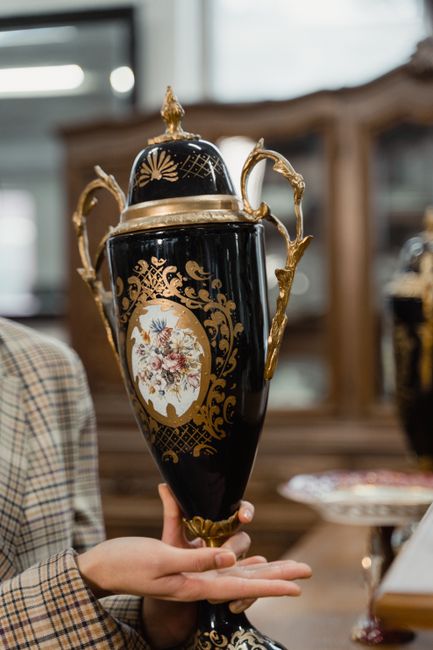
This approach is for anyone moving fragile, sentimental, or high-value items overseas, but it is especially useful if the heirlooms are awkwardly shaped, older, or made from mixed materials. A porcelain figure with thin arms, a mirror with a brittle frame, a grandfather clock, silverware, antique books, jewellery boxes, or framed works on paper all need a careful plan.
It also makes sense when:
- you are moving long-distance rather than just across town;
- the item will be stored temporarily before delivery;
- you have no original packaging;
- the object has loose parts, glazing, joints, or glass;
- you need to keep the item in display condition rather than just "survive the move."
If you are moving a whole household and the heirlooms are only one part of a bigger relocation, a broader service such as house removals or house movers may be more sensible than trying to coordinate piecemeal transport yourself. For smaller, lighter loads, a man and van removals option can work too, though very valuable pieces still need the same careful packing standards.
Truth be told, not every item needs a custom crate. But every heirloom does deserve a plan.
Step-by-Step Guidance
Below is the practical process to follow. It is deliberately simple, because complicated packing often leads to mistakes.
1. Assess each heirloom individually
Start by asking three questions: what is it made of, where are the weak points, and what would happen if it were turned on its side? Glass, ceramic, veneer, gilded surfaces, loose joints, and fragile mounts all change the packing approach. A clock with a metal pendulum, for example, needs the moving parts secured before anything else happens.
2. Photograph and document condition
Take clear pictures from all sides, plus any existing cracks, chips, scratches, or worn areas. This is not about being fussy. It is about knowing the item's condition before the move. If you later need to compare before-and-after condition, those images matter.
3. Gather the right materials
You will usually need acid-free tissue, soft wrapping paper, bubble wrap, strong tape, double-walled cartons, corner protectors, packing peanuts or similar void fill, labels, markers, and possibly foam or custom inserts. For artworks and documents, use materials that will not stain or transfer acid over time.
4. Clean and dry the item
Dust and moisture are not your friends here. Gently clean the surface so dirt does not scratch the object during wrapping. Make sure everything is fully dry before it goes into packaging. Even a little dampness can cause trouble on a long move.
5. Wrap the item correctly
Start with a soft layer against the object, then add cushioning. Avoid placing rough tape directly on delicate finishes. If there are handles, finials, or protruding details, protect them separately rather than forcing one blanket wrap around the whole item.
6. Stabilise it in a fitted box
The box should fit the item closely enough that it does not slide. Fill all gaps so the object sits snugly in the centre. If you can hear movement when you shake the sealed box gently, it needs more internal support.
7. Double box when needed
For especially fragile pieces, place the first box into a larger, cushioned outer box. This extra layer gives the item more shock absorption and better crush resistance. It's a bit of a faff, yes, but often worth it.
8. Label clearly and handle upright where required
Mark the box with "fragile," "this side up," and a plain-language description of the contents. Do not overdo the labels to the point that they become noise. Just make sure anyone lifting the box knows what is inside and how it should be handled.
9. Keep the most valuable items with you if possible
Some heirlooms are best carried personally, especially jewellery, documents, and items with irreplaceable sentimental value. If an item is small enough and the journey permits it, keeping it with you may reduce risk more than any amount of tape ever could.
10. Recheck before transit
Right before loading, confirm the boxes are sealed, dry, and still properly padded. This final check catches the silly mistakes: a loose lid, a missing label, or a box that has started to bow under pressure.
Expert Tips for Better Results
These are the small things that tend to make the biggest difference. In our experience, good packing is often about restraint rather than excess.
- Use the right amount of cushioning, not the most cushioning: too little leaves movement; too much can distort the box or put pressure on delicate features.
- Separate mixed materials: glass touching metal, or wood touching painted surfaces, can cause abrasion during vibration.
- Pack by fragility, not by room: a delicate item in the kitchen should not be packed the same way as a robust one just because they sat on the same shelf.
- Keep a master list: one sheet showing what is in each box saves time later and reduces panic.
- Allow extra time: good packing is slow, especially with heirlooms. Rushing is where trouble starts.
A small tip that people often miss: if the item has a lid, detachable stand, or removable handle, pack those separately in the same box with clear internal separation. It sounds fussy, but it prevents pressure points and accidental rubbing.
And if you are juggling a full move, don't try to do the heirlooms at the end of a long evening when everyone is tired and the kettle has been on three times already. That is how mistakes creep in.
Common Mistakes to Avoid
Most packing damage comes from a handful of predictable errors. The frustrating part is that they are all avoidable.
- Using boxes that are too large. Extra space means movement, and movement means risk.
- Wrapping everything in the same way. A ceramic figurine and an antique book need different approaches.
- Ignoring weak points. Handles, corners, mounts, and glass edges need extra attention.
- Using poor-quality tape or worn cartons. Weak materials can fail in transit, especially after stacking.
- Forgetting climate and humidity. Long international journeys can expose items to more moisture and temperature change than expected.
- Not recording the condition first. Without a record, you are left guessing if damage happened during the move.
- Putting too much trust in labels alone. "Fragile" helps, but it does not replace proper packing.
One more thing: avoid mixing heirlooms with heavy everyday items just because they all fit in the same van space. A box of books on top of a box of inherited porcelain is asking for trouble. It really is.
Tools, Resources and Recommendations
You do not need specialist equipment for every item, but the right tools make the job easier and safer. Here is a practical starter list.
| Item | What it helps with | Best used for |
|---|---|---|
| Double-walled boxes | Crush resistance and stability | Most fragile heirlooms |
| Acid-free tissue | Surface protection without staining | Paper, textiles, artwork, silver |
| Bubble wrap | Shock absorption | Ceramics, glass, decorative objects |
| Foam inserts | Custom fit and reduced movement | Odd shapes and high-value items |
| Packing paper | Layering and void fill | General cushioning |
| Strong tape | Secure seals | Cartons and outer boxes |
| Marker labels | Fast identification | Sorting and handling instructions |
If you are arranging a larger relocation, it can help to look at the wider support available from removal companies, removal services, or even a flexible man with van arrangement for smaller loads. The right choice depends on the scale of the move, not just the value of the item.
For customers who prefer help with the packing stage itself, packing and unpacking services can be a practical option. It does not remove every worry, but it can remove a few of the biggest headaches.
Law, Compliance, Standards, or Best Practice
International removals are not just about boxes and tape. There are practical expectations around safe handling, accurate declarations, and reasonable care for goods in transit. The exact requirements can vary by destination, shipping method, and the nature of the item, so it is best to confirm the details before travel rather than assume one rule fits every country.
From a best-practice point of view, keep invoices, inventories, photographs, and any relevant ownership documents together. That makes it easier to explain what an item is if customs or insurers need clarification. For items of notable age, material value, or cultural significance, more careful documentation is sensible. Not dramatic, just sensible.
It is also wise to review terms and conditions and safety information before the move. If you are using a professional removal provider, their handling standards, packaging responsibilities, and insurance expectations should be clear. That is one reason pages like terms and conditions and health and safety policy matter more than people first expect. They tell you how the job is meant to be done, and what level of care is being offered.
Good practice also means being realistic. A family heirloom may be extremely precious to you, but not every mover will treat an unboxed item the same way. Clear instructions, proper packing, and honest communication reduce misunderstanding. That is the whole game, really.
Options, Methods, or Comparison Table
Different heirlooms need different packing approaches. Here is a simple comparison to help you choose.
| Method | Best for | Pros | Limitations |
|---|---|---|---|
| Standard cushioned box | Smaller, robust fragile items | Affordable, easy to prepare | Less protection for unusual shapes |
| Double boxing | Very breakable objects | Extra shock absorption, better stability | Takes more materials and space |
| Custom foam fit | High-value or irregular items | Excellent immobilisation | More time, more cost |
| Wooden crate | Artwork, clocks, sculptures, antiques | Strongest structural protection | Bulky, often specialist-led |
| Carry personally | Small irreplaceable items | Maximum control | Not possible for every item |
If you are wondering which method is "best," the honest answer is: the one that matches the item's fragility, shape, and value. There is no universal winner. A delicate watch chain does not need the same treatment as a framed oil painting, and thank goodness for that.
Case Study or Real-World Example
Consider a family moving from the UK to mainland Europe with three items they would not dream of replacing: a porcelain tea service inherited from a grandparent, a gilded mirror with a thin frame, and a stack of old family photo albums. On paper, these items look manageable. In reality, they are awkward. The tea service has handles and lids. The mirror has vulnerable corners. The albums can warp if crushed or damp.
They handled the tea service by wrapping each piece separately, grouping them in a double-walled box with cardboard dividers and void fill. The mirror was protected with corner pieces, wrapped in soft paper, and placed in a rigid crate with no contact between the glass face and the outer walls. The albums were packed upright, not flat, with moisture control in mind and no heavy objects nearby.
The important part was not that they used fancy materials. It was that each object was packed for its actual weakness. When the boxes arrived, nothing rattled. That quiet moment of opening them later, and finding everything intact, is honestly one of the nicest parts of a well-run move. Not flashy. Just deeply reassuring.
Practical Checklist
Use this quick checklist before sealing any box containing heirlooms.
- Photograph the item from multiple angles.
- Record existing chips, cracks, or wear.
- Choose a box that fits the item closely.
- Wrap the item in a soft first layer.
- Add cushioning around all sides.
- Protect corners, handles, lids, and protrusions.
- Stop all movement inside the box.
- Double box if the item is highly fragile.
- Label clearly and simply.
- Keep an inventory of what is in each box.
- Store important documents separately.
- Check the final seal before transit.
If any one of those steps feels rushed, pause and redo it. Better ten extra minutes now than a repair bill later. Or worse.
Conclusion
To pack fragile heirlooms for international removals with confidence, you need a mix of care, structure, and patience. Start by understanding the item, choose the right packing method, document everything properly, and keep movement to a minimum. That simple approach protects both the object and the memories attached to it.
For bigger moves, it can also help to compare the support available from trusted removals, specialist house removals, or flexible transport like moving van options. The goal is not to make the move perfect. It is to make it calm, organised, and safe enough that you can breathe again when the last box is unloaded.
Get a free quote today and see how much you can save.
And if one heirloom in particular makes your stomach twist a bit, that is normal. Take your time, pack it properly, and trust the process. A careful move has a way of paying you back in peace of mind.
Frequently Asked Questions
How do I pack fragile heirlooms for international removals without damaging them?
Use a soft inner wrap, strong cushioning, and a box that fits closely. Stop the item moving inside the box, double box if needed, and keep a record of its condition before packing.
Should I use bubble wrap for all heirlooms?
Not always. Bubble wrap is useful for many hard fragile items, but delicate surfaces, paper, textiles, and antiques may need acid-free tissue or softer wrapping first to avoid marking or abrasion.
Is double boxing really necessary?
For highly fragile or valuable items, yes, often it is. Double boxing adds an extra layer of shock absorption and helps prevent damage if the outer box is knocked or stacked.
Can I pack heirlooms in suitcases instead of boxes?
Sometimes, especially for small items you want to keep with you. But suitcases should still be padded properly, and they are not ideal for unusually shaped or very delicate heirlooms.
What is the safest way to move family jewellery or documents?
Keep them with you if possible. Use a secure pouch or hard case, avoid loose packing, and do not place them in checked luggage or mixed boxes with other belongings.
How early should I start packing fragile heirlooms before an international move?
Earlier than you think. Start with the most delicate and least-used pieces first, ideally well before the final moving week. Heirlooms take more time than ordinary household items.
Do I need special insurance for heirlooms?
It depends on the item, its value, and the cover already available through your mover or household policy. Always check the terms carefully and keep your documentation ready in case it is needed.
What labels should I put on heirloom boxes?
Use clear labels such as "fragile," "this side up," and a simple description of the contents. Avoid cluttered labels; make them easy for anyone handling the box to understand at a glance.
Can professional packing services help with fragile heirlooms?
Yes, and they can be especially useful for awkward, valuable, or time-sensitive items. A good packing team will know how to stabilise objects properly and reduce handling risk.
How do I pack antique frames or mirrors safely?
Protect the corners first, wrap the surface carefully, and keep the glass or front face from touching hard surfaces. A rigid crate or double box is often the safer choice for anything large or very thin.
What should I do if an heirloom has loose parts?
Remove and pack loose parts separately where possible, or secure them so they cannot move. Lids, handles, keys, and pendulums are common trouble spots and should never be left unprotected.
Is it better to hire removals for heirlooms or do it myself?
If the item is highly sentimental, fragile, or large, professional help is usually worth considering. If it is small and you are confident in your packing, you can do it yourself, but follow proper methods carefully.